
Drew Martinez
ผู้เยี่ยมชม
drew_martinez@outlook.com
Gummies THC France, Bonbon THC, and THC Gummies: Understanding Cannabis Candy (4 อ่าน)
15 ต.ค. 2569 03:27
Gummies THC have emerged as one of the well‐known forms of cannabis edibles, largely because they are low‐key, easy to carry, and easy to consume without lighting up or vaporizing. They also demand extra attention than many novice users expect. In contrast to inhaled cannabis, an edible can need a lengthy period to yield perceptible effects, while the experience can continue for several hours. That delayed response is a primary factor responsible dosing counts.
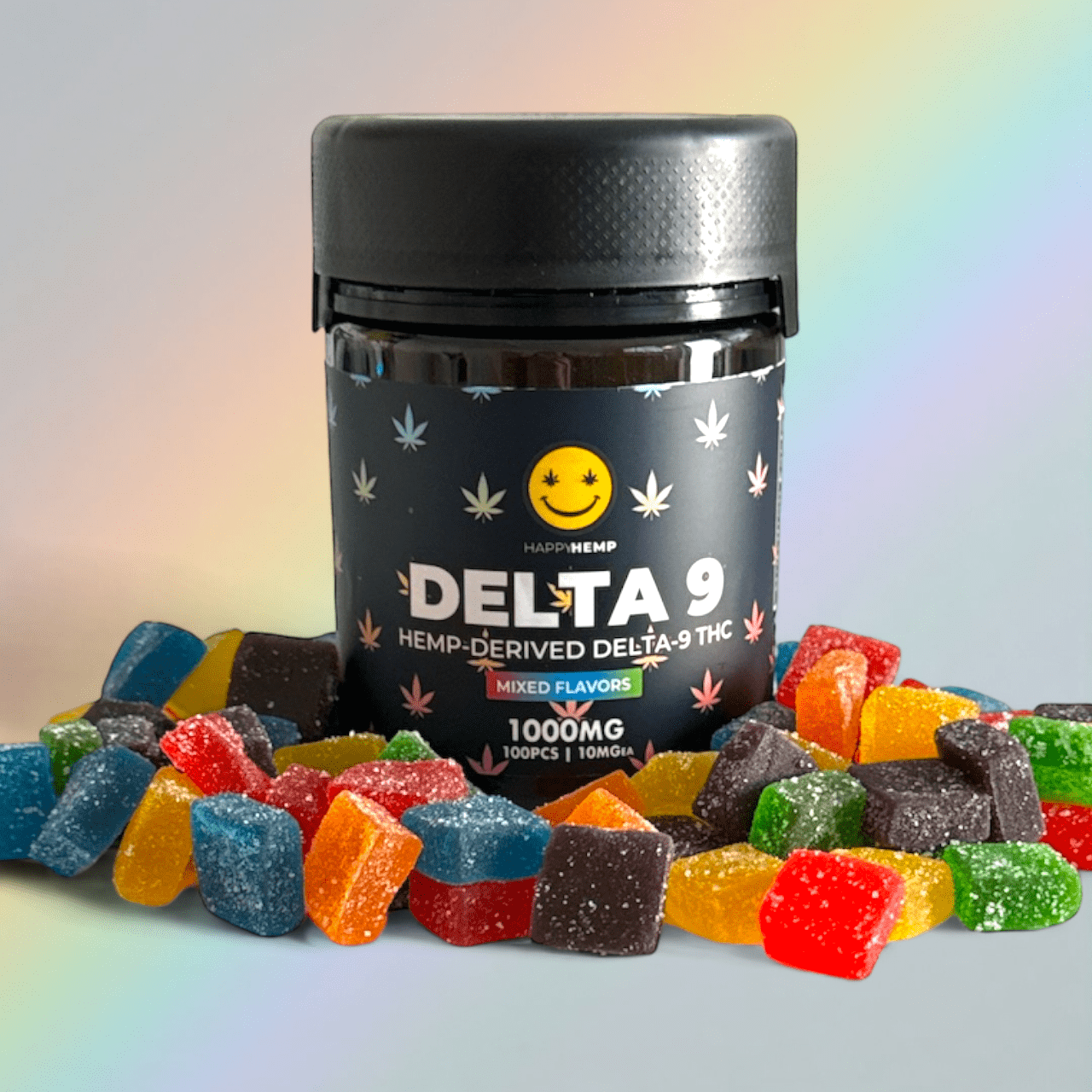
Any individual considering THC gummies should see past the flavor, wrapper, or claimed strength. The relevant questions are more practical: How much THC is actually present? Is the product explicitly labeled? What other ingredients are present? How long might the effects last? What are the area rules overseeing possession and sale? These details make a much greater difference to the experience than the appearance of the gummy itself.
What THC Gummies Actually Contain
THC gummies are edible products formulated with tetrahydrocannabinol, commonly known as THC, the main intoxicating cannabinoid in cannabis. Producers usually mix a cannabis extract or distillate with ingredients used to create the gummy's texture and flavor. According to the composition, these can contain sugar, pectin or gelatin, flavorings, oils, acids, and other food ingredients.
The concentration of THC may differ greatly between products. Some gummies are made as separate low‐dose pieces, while others hold significantly higher THC per gummy or throughout the whole container. Reading the label carefully is therefore essential. A package's total THC content is does not automatically equal the amount contained in one gummy.
Another key difference is between THC and non‐intoxicating cannabinoids. Products may contain CBD or other cannabinoids alongside THC, and the total effect can change based on the recipe. Buyers ought not to presume that a cannabis gummy labeled similarly shares the same makeup as another offering.
Why Edible THC Feels Different From Inhaled Cannabis
The method of consumption changes the onset and nature of THC's effects. When cannabis is inhaled, THC reaches the bloodstream relatively quickly. An edible follows a different path because it first passes through the digestive system and is then metabolized by the liver. As a result, the onset can be far slower and the effects may persist considerably longer.
This delay creates a common problem for inexperienced users. A person might ingest a gummy, notice no effect shortly afterward, and think the dose failed. Consuming more THC before the initial dose fully kicks in may cause an unexpectedly intense effect later.
Therefore, patience is a key practical aspects with edible cannabis. Timing varies based on factors such as metabolism, whether food was eaten concurrently, individual tolerance, and the product itself. A consistent timing cue does not exist for everyone.
Understanding THC Strength and Portion Size
THC labeling requires careful consideration because serving size and package size can be unclear. A container might hold several gummies while displaying a total THC figure for the entire package. The amount in a single piece might be much less than the total displayed on the label.
Those with limited or no THC experience usually have limited insight into their bodily response. Individual sensitivity varies, and previous cannabis experience does not guarantee the same reaction with an edible. A prudent approach is to treat unfamiliar products warily rather than judging strength by appearance or directly likening them to smoked cannabis.
It is also advisable to verify if lab testing data is available. Transparent labeling should clearly indicate what cannabinoids are present and how much THC is contained in the stated serving. Products with vague descriptions or unclear dosage information merit extra care.
Possible Effects and Unwanted Reactions
THC may alter in perception, mood, attention, coordination, and the sense of time. Certain people note relaxation or euphoria, while others might feel drowsiness, impaired concentration, anxiety, dizziness, or an uncomfortable sense of mental stimulation. The same person can respond differently on different occasions depending on dose, surroundings, tolerance, and other factors.
Edibles can be particularly challenging because their effects may persist for several hours. Someone who becomes uncomfortable cannot simply reverse the dose. A calm environment, hydration, rest, and avoiding additional substances are generally more sensible responses than trying to counteract the experience with another intoxicating product.
Serious or atypical symptoms should not be brushed off as a normal cannabis effect. If an individual becomes very confused, passes out, has breathing problems, suffers a seizure, or appears gravely ill, prompt medical attention is necessary.
Keeping THC Gummies Away From Children and Pets
A major safety problem with cannabis edibles is unintended ingestion. Gummies can resemble ordinary confectionery, particularly when they have bright colors, sweet flavors, or familiar shapes. Young ones and pets cannot assess THC risks, thus storage should be treated seriously.
THC goods should be kept in their original container when possible and stored securely apart from typical food. Placing gummies on a kitchen counter, in a bag, or in a readily reachable drawer poses unnecessary danger. If unintended ingestion happens, immediate medical or veterinary counsel is needed, depending on the exposed party.
Interactions and Situations Requiring Extra Care
THC can have interactions with other agents, including alcohol and some drugs. Using multiple intoxicants together can make impairment harder to predict and could heighten adverse effects such as dizziness, sedation, or bad judgment. Anyone taking prescription medication or managing a medical condition should discuss cannabis use with an appropriate healthcare professional rather than assuming that an edible is harmless because it is sold as a food product.
Operating a vehicle is another obvious concern. THC can affect reaction time, attention, coordination, and decision‐making. The fact that the effects come from an edible rather than smoked cannabis does not remove the impairment risk. Anyone using THC should make transportation arrangements that do not require them to drive while affected.
Legal Status Depends on Where You Live
Cannabis laws differ considerably between countries and, in some places, between regions within the same country. Rules can address THC concentration, possession, personal use, production, advertising, importation, and commercial sales separately. Online availability of a product does not automatically ensure that buying, importing, possessing, or receiving it is permissible in all jurisdictions.
This becomes especially vital when a shipment crosses international borders. Customs guidelines and controlled‐substance rules can be enforced independent of the seller’s assertions. Before purchasing or transporting any THC product, consumers should check the current regulations that apply to their own location rather than relying on assumptions based on another country.
How to Evaluate a THC Gummy Responsibly
An effective approach to assess an edible is to emphasize transparency instead of marketing talk. Transparent cannabinoid data, easy‐to‐read serving info, suitable packaging, ingredient lists, and trustworthy testing details give a better foundation for judgment than promises of extreme potency or assured effects.
It is also worth considering whether the product's intended use is clearly explained. Responsible cannabis data should recognize variability rather than guaranteeing a particular emotional or physical effect. No edible can assure that all users will feel relaxation, better mood, or any particular effect.
A More Careful Approach to Gummies THC
For anyone studying Gummies THC, the best first step is learning rather than trial. Understand the cannabinoid content, recognize that edible effects can take time to appear, avoid combining THC with alcohol or other intoxicants, and keep products securely away from children and animals. Importantly, never think a familiar‐looking candy will have a predictable effect merely since it’s small or easy to ingest.
Product info and regional regulations ought to be verified before any decision. For additional information about THC gummies, ingredients, product descriptions, and responsible considerations, you can review Bonbons THC while independently verifying the rules that apply in your location.
39.50.213.67
Drew Martinez
ผู้เยี่ยมชม
drew_martinez@outlook.com