
skyrunnerstilts
ผู้เยี่ยมชม
hello@skyrunnerstilts.nl
Jumping Stilts: The Complete Guide to Gear, Benefits, and Safe Training (12 อ่าน)
29 ต.ค. 2569 18:34
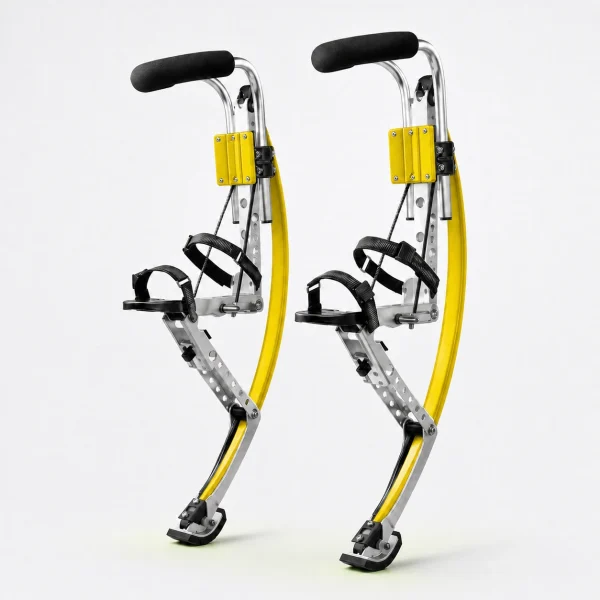
Jumping Stilts – sometimes called powerbocks, spring stilts, or power stilts – are specialized spring-loaded stilts that let you run faster, jump higher, and perform acrobatic tricks using your own bodyweight and leg power. This thrilling sport combines elements of running, parkour, gymnastics, and extreme sports, making it popular among fitness enthusiasts and adrenaline seekers.
In this guide, you’ll learn what jumping stilts are, how they work, their benefits, how to choose the right pair, and how to train safely.
---
## What Are Jumping Stilts?
Jumping stilts are wearable devices strapped to your legs that use curved fiberglass or composite springs to store and release energy. When you push off the ground, the spring compresses and then “rebounds,” propelling you higher and farther than you could go on your own.
They typically:
- Attach to your lower legs with secure straps and buckles
- Have foot platforms with bindings similar to snowboard or ski boots
- Use a curved leaf spring to generate bounce
- Include a durable sole or rubber pad for ground contact
Common brand names include Poweriser, Powerskip, Skyrunner, and Air-Trekkers, though many generic models exist.
---
## How Do Jumping Stilts Work?
Jumping stilts use basic principles of physics and biomechanics:
1. **Energy Storage** – As you land or press down, your bodyweight bends the spring and stores potential energy.
2. **Energy Release** – The spring straightens, releasing that energy and pushing you upward or forward.
3. **Leverage and Height** – Because the device adds extra length to your legs, each stride covers more distance and can produce more lift.
With proper technique, you can:
- Run at speeds up to 20–25 mph (32–40 km/h) in advanced cases
- Jump vertically over 4–6 feet (1.2–1.8 m)
- Perform flips, spins, and parkour-style maneuvers (for advanced users)
---
## Benefits of Using Jumping Stilts
Jumping stilts are not just a novelty; they offer real fitness and skill benefits when used correctly.
### 1. Full-Body Workout
Using jumping stilts engages:
- **Legs and glutes** – for jumping, running, and stability
- **Core muscles** – for balance and control
- **Arms and shoulders** – to maintain posture and momentum
Regular practice improves strength, endurance, and coordination.
### 2. Cardiovascular Conditioning
Continuous bouncing, running, and jumping offers an intense cardio workout comparable to running or HIIT training, helping improve:
- Heart and lung capacity
- Calorie burn
- Overall stamina
### 3. Balance, Coordination, and Agility
Because you are elevated and constantly adjusting, jumping stilts train:
- Proprioception (body awareness)
- Dynamic balance
- Reaction time
These improvements can carry over to other sports and daily activities.
### 4. Fun and Motivation
Jumping stilts turn a standard workout into an exciting experience. Many people find they:
- Exercise longer without getting bored
- Stay more consistent due to the “fun factor”
- Enjoy learning new tricks and skills over time
---
## Choosing the Right Springstelten voor volwassenen
Selecting the right pair is essential for performance and safety.
### 1. Weight Rating
Most jumping stilts are rated by user weight range (for example, 60–80 kg or 132–176 lbs). Using the correct rating ensures:
- Adequate spring response
- Reduced risk of spring breakage
- Better control and comfort
Do not choose a model that is far above or below your actual weight.
### 2. Build Quality and Materials
Look for:
- **Reinforced fiberglass or c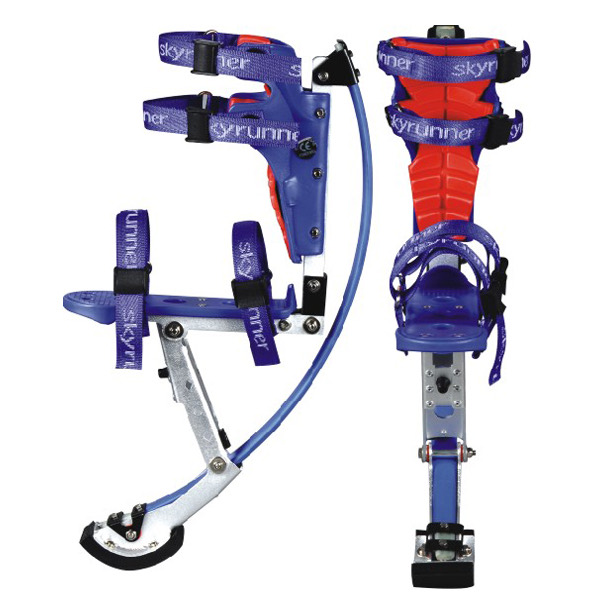 omposite springs**
- **Strong metal frames** (usually aluminum or steel)
- **High-quality straps and buckles**
- **Replaceable foot pads and rubber tips**
A cheap, poorly built pair may cost less initially but can wear out quickly or fail under stress.
### 3. Adjustability and Fit
Good jumping stilts should offer:
- Adjustable leg braces for different calf and shin sizes
- Secure foot bindings compatible with athletic shoes
- Comfortable padding in contact areas
A snug, stable fit reduces chafing and improves control.
### 4. User Level
Some models are designed for:
- **Beginners** – More stable, softer springs, and simpler design
- **Intermediate/advanced users** – Higher rebound, lighter materials, and better performance for tricks
If you’re new, start with beginner-friendly stilts rather than high-performance trick models.
---
## Essential Safety Gear
Using jumping stilts without protection is risky. At minimum, always wear:
- **Helmet** – A skate or BMX-style helmet that covers the back of your head
- **Wrist guards** – To protect against impact when you fall forward
- **Knee pads and elbow pads** – For impact absorption
- **Gloves** – To prevent scrapes and improve grip if you fall
Extra gear, such as padded shorts and shin guards, can add another layer of protection, especially when learning.
---
## How to Get Started: Step-by-Step
If you’re a beginner, use this progression to learn safely and build confidence.
### 1. Prepare Your Space
Choose:
- A flat, even surface (like a gym floor or smooth pavement)
- A clear area free from traffic, obstacles, or crowds
- A wall, fence, or sturdy railing for support
Avoid grass at first; it can hide uneven ground and make balance harder.
### 2. Suit Up
- Put on all safety gear.
- Wear supportive athletic shoes with good ankle support.
### 3. Strap In Carefully
- Sit on a stable chair or bench.
- Strap one stilt on at a time, starting with your dominant leg.
- Tighten all buckles so the stilts feel secure but not painfully tight.
Check that nothing is loose before standing up.
### 4. First Steps: Standing and Balancing
- Use a wall or a friend’s shoulder to stand.
- Keep your knees slightly bent and your core engaged.
- Practice standing still and shifting your weight from one foot to the other.
Stay low and relaxed; stiff legs make balance harder.
### 5. Walking and Small Hops
- Start with small, shuffling steps while holding onto support.
- Progress to slow, controlled walking without support.
- Practice tiny hops, focusing on landing with your knees bent and weight centered.
Only increase your speed once you feel very stable.
### 6. Learning to Fall Safely
Falling is part of the learning process. Aim to:
- Bend your knees and roll with the fall rather than locking your legs.
- Use your pads and protect your head and wrists.
- Avoid putting your hands straight out with locked elbows.
Practicing controlled falls on soft surfaces can help reduce fear and injury risk.
### 7. Running, Higher Jumps, and Basic Tricks
Once comfortable:
- Introduce light jogging and longer strides.
- Work on rhythm: bend-compress-rebound in a smooth cycle.
- Progress to higher jumps only when your landings are stable.
Springstelten voor kinderen for intermediates might include:
- 180° jumps (turning in the air)
- Side-to-side hops
- Basic parkour-style movements over small obstacles
---
## Training Tips for Progress and Safety
- **Warm up properly** – 5–10 minutes of dynamic stretching and light movement.
- **Start slow** – Limit sessions to 20–30 minutes initially to avoid overuse injuries.
- **Listen to your body** – Stop if you feel sharp pain, dizziness, or unusual fatigue.
- **Practice regularly** – Short, consistent sessions build skill faster than rare, long ones.
- **Avoid wet or slippery surfaces** – Springs and pads can slip on rain, ice, or loose gravel.
---
## Common Mistakes to Avoid
- Skipping safety gear “just for a minute”
- Buying stilts with the wrong weight rating
- Overestimating your ability and attempting advanced tricks too soon
- Locking your knees on landing (increases impact on joints)
- Practicing alone in remote areas without a way to get help if injured
---
## Frequently Asked Questions About Jumping Stilts
**Are jumping stilts safe?**
They can be used safely with the right equipment, surface, and protective gear, but like any extreme sport, they carry inherent risk. Beginners should progress cautiously.
**How long does it take to learn?**
Most people can stand and walk safely within a few sessions. Running, higher jumps, and tricks may take weeks or months of consistent practice.
**Do I need special shoes?**
Any sturdy athletic shoe with decent ankle support is usually fine, unless the stilt manufacturer specifies otherwise.
**Can kids use jumping stilts?**
There are youth-sized models, but children should be closely supervised and always use full protective gear. Check manufacturer age and weight guidelines.
**Can jumping stilts be used for weight loss?**
Yes. Because they offer intense cardio and full-body engagement, they can support a weight-loss program when combined with proper diet and overall activity.
---
## Maintenance and Care
To keep your jumping stilts in good condition:
- Inspect springs, frames, and straps before every session.
- Replace worn rubber tips and pads promptly for better grip.
- Tighten bolts and screws regularly following the manufacturer’s instructions.
- Store them in a dry, cool place away from direct sunlight to prevent material degradation.
---
## E-mail: hello@skyrunnerstilts.nl
hello@skyrunnerstilts.nl
Jumping stilts offer a unique blend of fitness, fun, and adrenaline. With the right equipment, proper safety gear, and a structured learning approach, almost anyone in reasonable health can enjoy this sport and progress from simple walking to impressive jumps and tricks.
If you’re interested in trying jumping stilts:
1. Choose a reputable brand with the correct weight rating.
2. Invest in a helmet, pads, and wrist guards.
3. Start slowly on flat ground and build your skills over time.
Approached with respect and caution, Skyrunnerstilts.NL can become a rewarding and exciting way to stay active and challenge your body in entirely new ways.
209.135.20.172
skyrunnerstilts
ผู้เยี่ยมชม
hello@skyrunnerstilts.nl