
Handbags
ผู้เยี่ยมชม
quynhnguyenphuong10924@gmail.com
Designer Handbag (40 อ่าน)
21 ม.ค. 2569 10:39
Choosing Designer Handbag Brands with Long-Term Investment Potential
Searching for the best designer handbag brands for investment signals a shift in how people view handbags. They are no longer just fashion items, but long-term assets—objects whose value can endure, stabilize, or even grow over time. Buyers asking this question want clarity: which brands consistently hold value, why they do so, and whether investment always has to mean extreme price tags.
This framework applies whether you are comparing iconic luxury houses, evaluating resale potential, or rethinking what “investment” really means in everyday life.
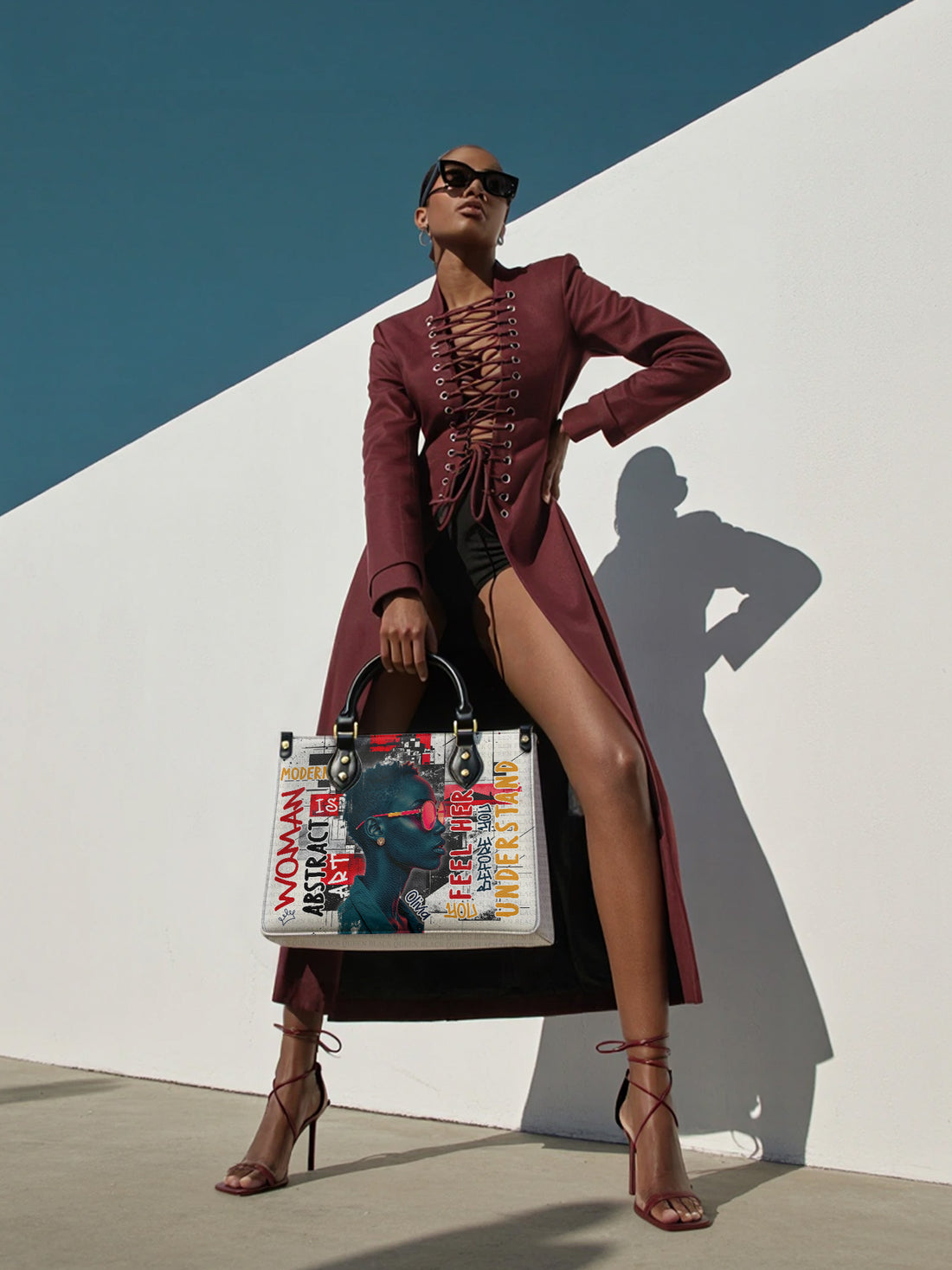
What Makes a Designer Handbag an “Investment”?
Investment handbags are defined less by trend and more by predictability. The brands that hold value tend to share several characteristics: strong heritage, consistent demand, limited overproduction, and designs that resist short-term fashion cycles.
Materials matter, but perception matters just as much. A handbag retains value when buyers trust the brand’s long-term relevance. That trust is built over years—sometimes decades—of consistent quality and recognizable design language.
Importantly, investment value does not always mean profit. For many buyers, holding value simply means not losing it dramatically.
Brands Known for Holding Value Over Time
Historically, only a small number of designer brands consistently perform well in the resale market. These brands benefit from scarcity, controlled distribution, and iconic silhouettes that remain recognizable year after year.
Investment-focused buyers often gravitate toward:
Brands with limited production and strong heritage
Styles that change very little over time
Neutral colors and classic shapes that appeal across generations
This pattern explains why some handbags are treated almost like collectibles, while others depreciate quickly despite high retail prices.
Why Most Designer Handbags Are Not Investments
It’s important to be realistic. Most designer handbags do not increase in value. Trend-driven designs, seasonal collections, and logo-heavy pieces often lose resale appeal once demand shifts.
Even within well-known luxury houses, only specific models and conditions retain strong value. Viewing all designer handbags as investments leads to disappointment. The market rewards consistency, not novelty.
This realization has changed how many buyers approach luxury purchases.

Investment vs Practical Value: A Growing Divide
As resale awareness grows, so does a counter-movement. Many buyers now question whether chasing resale value actually aligns with their lifestyle. An unused bag kept pristine for resale may hold monetary value—but it offers little functional value.
This has led to a broader definition of “investment.” Instead of focusing purely on resale, some buyers define value as:
Years of reliable daily use
Comfort and durability
Cost per wear rather than resale price
In this sense, a handbag that performs well every day can be a stronger investment than one locked away for preservation.
Where Melaniva Fits Into the Investment Conversation
Within this evolving mindset, Melaniva represents a different kind of value proposition. Rather than positioning handbags as speculative assets, Melaniva focuses on design integrity, durability, and everyday usability.
For buyers who appreciate quality but don’t want to treat handbags as financial instruments, this approach feels more grounded. The “return” comes from frequent use, comfort, and longevity—not from resale margins.
You can explore Melaniva’s handbag collection here:
https://melaniva.com/collections/handbag
It’s a reminder that high-quality handbags don’t have to rely on resale narratives to justify their worth.
How to Think About Handbag Investment More Clearly
A smart approach separates financial investment from personal value. Ask yourself:
Am I buying this to resell, or to use?
Will I realistically maintain resale condition?
Does this bag fit my daily life?
If resale potential is the goal, focus narrowly on historically proven brands and models. If personal value matters more, durability and usability often outweigh brand prestige.
Both paths are valid—but they lead to different choices.
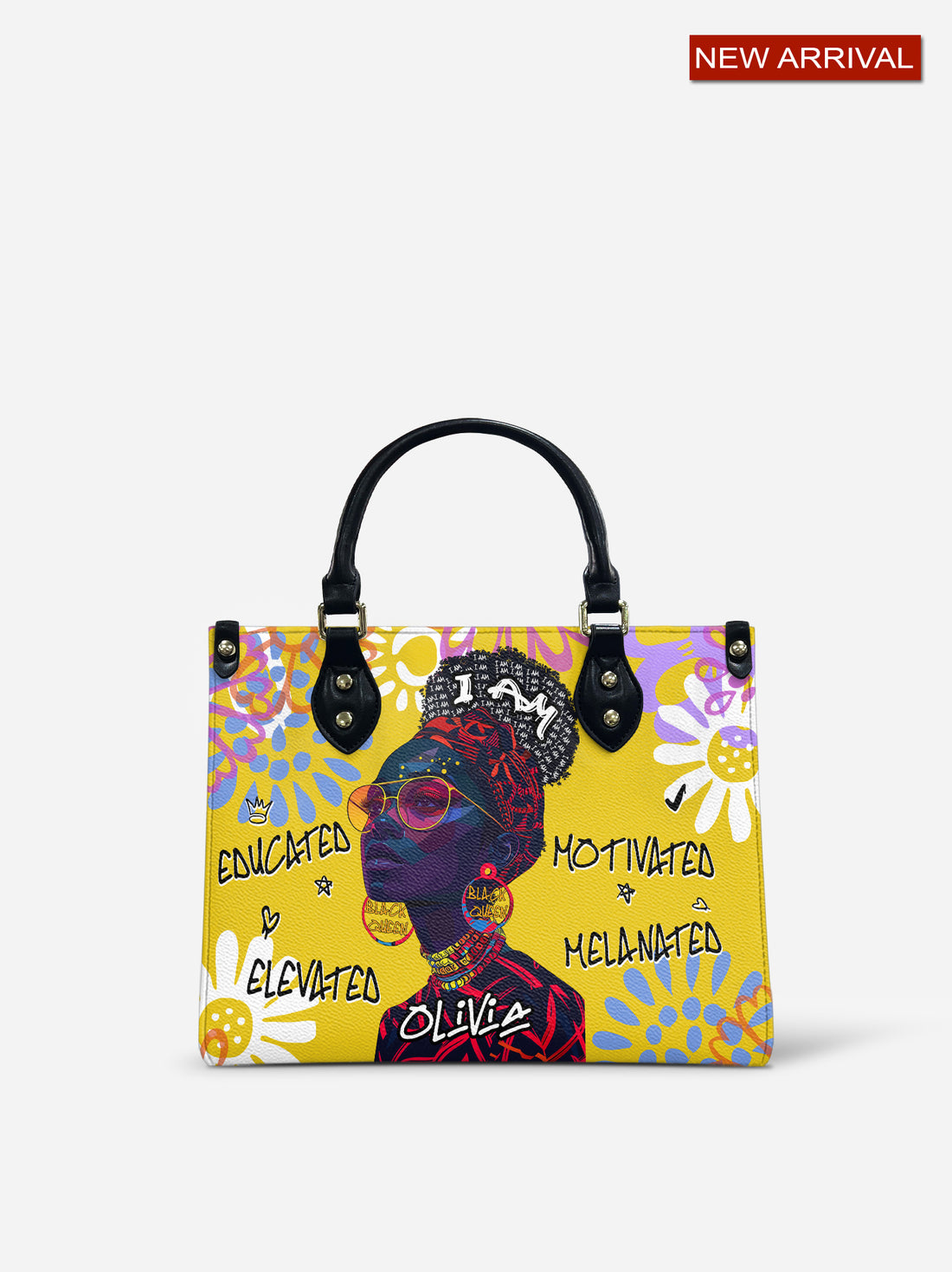
Longevity Is the Common Ground
Whether a handbag is bought for resale or daily use, longevity is the shared foundation. Bags that fall apart, feel uncomfortable, or age poorly fail both as investments and as everyday companions.
This is why construction quality, material choice, and thoughtful design matter more than hype.
Final Thoughts
The best designer handbag brands for investment are those with predictable demand, timeless design, and controlled supply. But investment does not have to mean speculation or exclusivity.
For many modern buyers, the smartest investment is a handbag that earns its place through daily reliability and long-term satisfaction. As perspectives shift, brands that focus on real-world performance—alongside traditional luxury houses—are redefining what value truly means.
In the end, the most meaningful return on a handbag is not always found in resale charts, but in how well it serves you over time.
Read more: Choosing Durable Leather Handbags That Balance Strength and Style
104.28.222.73
Handbags
ผู้เยี่ยมชม
quynhnguyenphuong10924@gmail.com