
shell
ผู้เยี่ยมชม
benducket3211@gmail.com
Is Composite Timber Cladding the Ideal Choice for Modern Exterior Design? (9 อ่าน)
16 เม.ย 2569 22:55
Composite timber cladding has become an increasingly popular solution for enhancing the exterior appearance of residential and commercial buildings. Designed to combine the natural beauty of wood with the durability of engineered materials,composite timber cladding offers a modern alternative to traditional timber finishes. As architectural trends shift toward sustainable and low-maintenance materials, this type of cladding has gained strong attention among homeowners, builders, and designers.
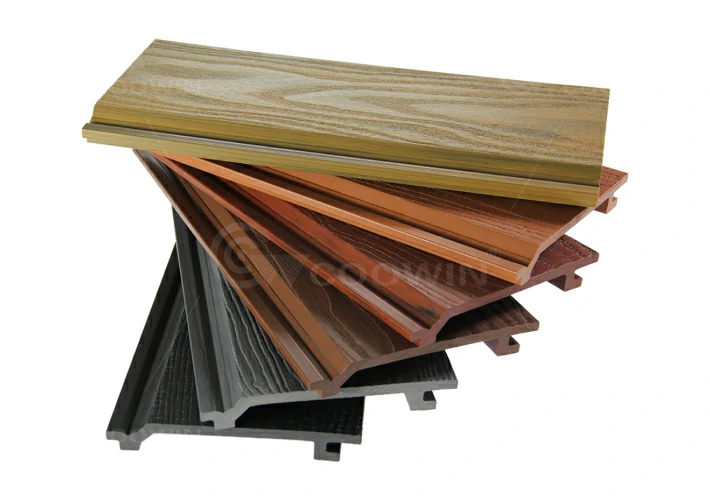
The keyword “composite timber cladding” is often associated with search terms such as exterior wall cladding systems, weather-resistant cladding panels, eco-friendly building materials, and low maintenance timber alternatives. These related keywords highlight the growing demand for solutions that provide both aesthetic appeal and long-term performance. Composite timber cladding is manufactured using a blend of wood fibers and recycled plastics, resulting in a product that delivers strength, stability, and visual elegance.
Performance and Advantages of Composite Timber Cladding
One of the primary reasons for choosing composite timber cladding is its superior durability. Traditional timber cladding can be susceptible to moisture damage, warping, cracking, and insect infestation over time. In contrast, composite timber cladding is engineered to resist these common issues, making it suitable for a wide range of climates and environmental conditions. Whether exposed to heavy rainfall, strong sunlight, or fluctuating temperatures, it maintains its structure and appearance effectively.
Another key benefit is the low maintenance requirement. Unlike natural wood, which often requires regular staining, sealing, or painting, composite timber cladding retains its finish with minimal effort. Occasional cleaning is usually enough to keep the surface looking fresh and appealing. This makes it an attractive choice for property owners who want a visually striking exterior without the burden of ongoing maintenance.
Sustainability is also a significant advantage. Many composite timber cladding products are manufactured using recycled materials, reducing environmental impact and supporting eco-friendly construction practices. This aligns with the increasing emphasis on green building solutions and sustainable architecture.
In addition to its performance benefits, composite timber cladding offers excellent design flexibility. It is available in a variety of colors, textures, and finishes, allowing architects and homeowners to achieve a wide range of design styles. From contemporary minimalism to classic wood aesthetics, composite cladding provides the versatility needed to create unique and visually appealing exteriors.
Cost Value and Installation Considerations
When evaluating composite timber cladding, cost is an important factor to consider. Although the initial investment may be higher than traditional timber cladding, the long-term value often justifies the expense. Reduced maintenance costs, improved durability, and a longer lifespan contribute to overall savings. Many individuals searching for “composite timber cladding cost vs wood cladding” find that the benefits outweigh the upfront price.
Installation of composite timber cladding is generally efficient, especially when handled by experienced professionals. The panels are designed for ease of use, enabling precise alignment and secure fitting. This results in a clean and modern finish that enhances the overall appearance of the building.
Proper installation is essential for ensuring optimal performance. Adequate ventilation, correct spacing, and the use of appropriate support systems help prevent issues such as moisture buildup or structural instability. Following manufacturer guidelines or consulting professionals can ensure that the cladding performs effectively over time.
Another notable advantage of composite timber cladding is its resistance to fading and staining. Advanced protective coatings help maintain the original color and texture, even after prolonged exposure to environmental elements. This ensures that the exterior retains its visual appeal for years without significant effort.
Design Appeal and Practical Applications
Composite timber cladding is widely used in both residential and commercial projects due to its versatility and modern appeal. In residential settings, it is commonly applied to exterior walls, extensions, and garden structures, enhancing curb appeal and property value. Its ability to replicate the natural look of wood while offering improved durability makes it a preferred choice for contemporary homes.
In commercial architecture, composite timber cladding is used in office buildings, retail spaces, and hospitality environments. Its low maintenance requirements and long-lasting performance make it a practical solution for properties that demand both aesthetics and functionality.
Modern design trends emphasize clean lines, natural textures, and seamless integration with the surrounding environment. Composite timber cladding aligns perfectly with these trends, offering finishes that complement a wide range of architectural styles. Neutral tones such as grey, brown, and earthy shades are particularly popular, as they create a sophisticated and timeless exterior.
The ability to combine composite timber cladding with other materials such as glass, metal, or stone further enhances its design potential. This allows architects and designers to create visually striking facades that stand out while maintaining durability and practicality.
Conclusion
Composite timber cladding represents a modern and innovative approach to exterior design, offering a balance of durability, low maintenance, and aesthetic versatility. Its resistance to weather damage, minimal upkeep requirements, and eco-friendly composition make it an excellent choice for both residential and commercial applications.
While the initial cost may be higher than traditional timber cladding, the long-term benefits and reduced maintenance needs make it a worthwhile investment. With its wide range of design options and reliable performance, composite timber cladding continues to gain popularity in modern construction.
43.242.177.9
shell
ผู้เยี่ยมชม
benducket3211@gmail.com