
EWRWE
ผู้เยี่ยมชม
larryalex249@gmail.com
Persian Historical Figures Who Changed History (4 อ่าน)
24 พ.ค. 2569 15:52
Ancient Iranian history reveals one of many world's earliest and most powerful civilizations, surrounding political techniques, social traditions, trade sites, and intellectual achievements across Asia, the Heart East, and beyond. The history of historical Iran stretches right back tens of thousands of decades, long before the rise of many modern countries, and involves strong empires, amazing rulers, advanced structure, and wealthy religious traditions that remaining a permanent level on human civilization. From the first settlements on the Iranian plateau to the glory of the Persian Empire, ancient Iran turned a heart of invention, diplomacy, and creative brilliance that historians continue to review with fascination.
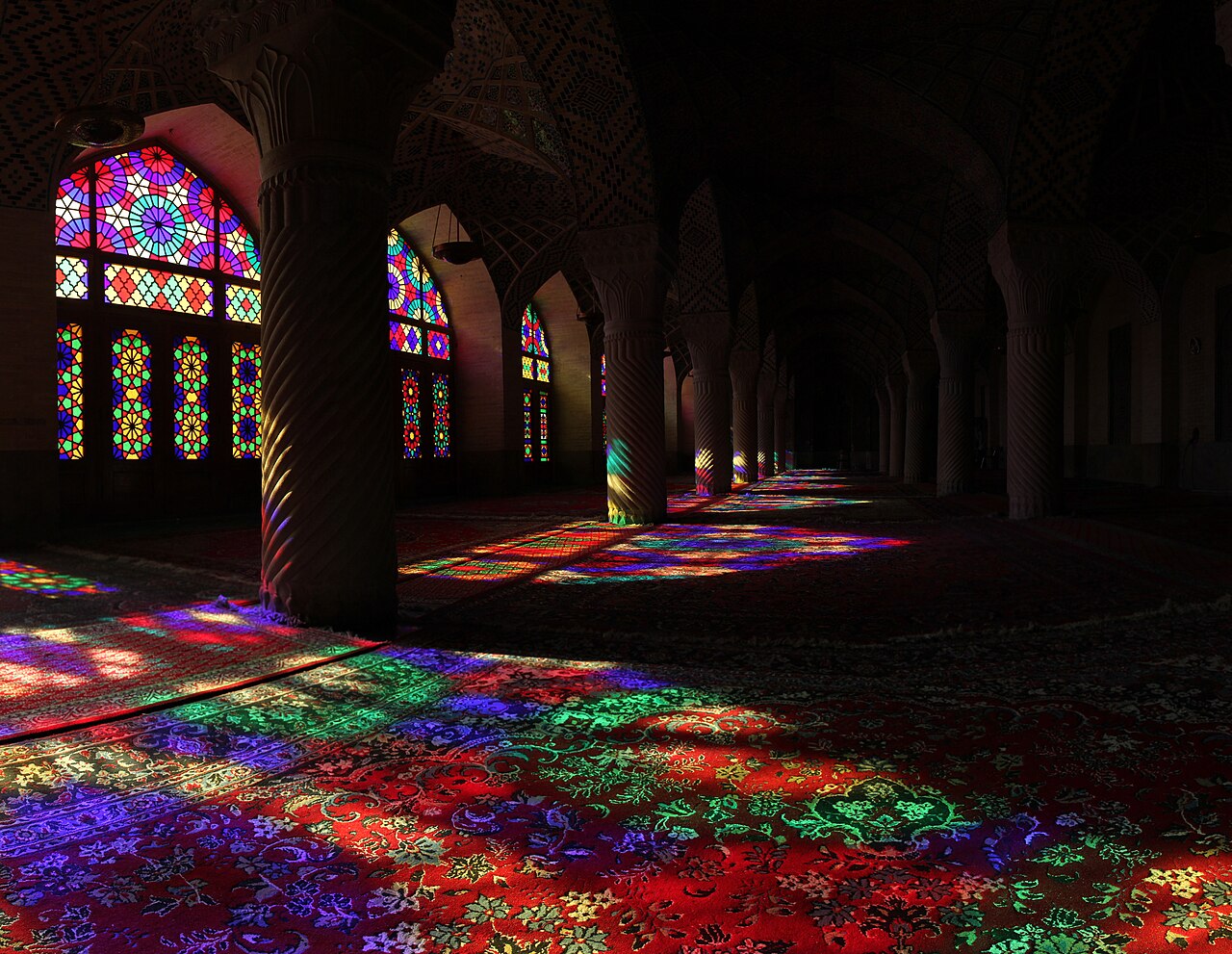
The geographical site of ancient Iran played an important role in their development. Located between Central Asia, Mesopotamia, the Indian subcontinent, and the Mediterranean world, Iran became a link joining various cultures and economies. Fertile valleys, pile ranges, and usage of essential trade channels allowed early communities to ascertain agricultural societies and booming cities. Archaeological discoveries from regions such as Susa and Elam show that structured groups existed in Iran several thousand years before the common era. These civilizations created publishing techniques, religious values, and administrative structures that affected neighboring regions.
One of many earliest substantial civilizations in historical Iranian history was the Elamite civilization. The Elamites lived in southwestern Iran and recognized a robust kingdom with sophisticated downtown centers and creative traditions. They preserved solid political and social relations with Mesopotamia while keeping their unique identity. Their towns covered temples, palaces, and advanced systems of governance. Even though later empires overshadowed them, the Elamites put crucial foundations for future Iranian civilizations.
The rise of the Medes noted another key stage in the development of old Iran. The Medes were an Iranian individuals who resolved in the american and northwestern regions of the plateau. Throughout the seventh century BCE, they united different tribes and recognized a empire effective at tough the Assyrian Empire. Their alliance with the Babylonians added to the drop of Assyria, one of the very feared powers of the old world. The Medes made administrative systems and military traditions that later inspired the Persian Empire.
The Achaemenid Empire represents the fantastic era of ancient Iranian history. Established by Cyrus the Great in the sixth century BCE, the empire quickly widened into among the greatest empires the world had ever seen. Cyrus became famous not only for his military success but in addition for his plans of tolerance and regard toward conquered peoples. Unlike many rulers of the old world, he allowed different cultures and religions to continue training their traditions. This approach helped build balance across a great property stretching from Egypt to India.
Cyrus the Great is often remembered as one of history's many visionary leaders. His management design stressed justice, diplomacy, and unity. Traditional records and inscriptions claim that he handled beaten populations with uncommon fairness for his time. The Cyrus Cylinder, found in Babylon, is sometimes referred to as one of many earliest declarations of individual rights because it advertised religious flexibility and regard for regional customs. His history remains to keep a particular devote Iranian cultural identity.
After Cyrus, Darius the Great further increased the Achaemenid Empire by introducing administrative reforms and increasing infrastructure. He divided the empire in to provinces called satrapies, each governed by officials accountable for obtaining fees and sustaining order. Darius also developed an efficient transmission network through the Noble Path, which permitted communications and business to go rapidly throughout the empire. This technique increased economic development and political balance, creating the Persian Empire one of the very organized claims of the ancient world.
Structure and art flourished through the Achaemenid period. The ceremonial money of Persepolis became a mark of imperial energy and creative achievement. Enormous stone tips, step by step carvings, and great staircases reflected the wealth and complexity of the empire. Musicians from various parts added their styles, creating a blend of ethnic influences that displayed the range of the Persian state. Also today, the ruins of Persepolis stay as a reminder of ancient Iran's grandeur and creativity.
Religion also performed a central position in old Iranian society. Zoroastrianism, one of many world's oldest monotheistic religions, emerged in ancient Iran through the teachings of the prophet Zoroaster. The religion focused on the struggle between truth and falsehood, encouraging moral conduct and particular responsibility. Ideas related to Zoroastrianism inspired later religious traditions in the Heart East and beyond. Fire temples, sacred rituals, and moral teachings became important aspects of Iranian religious living for centuries.
The Persian Empire ultimately arrived to struggle with the Greek city-states, resulting in the popular Greco-Persian Wars. Fights such as for instance Workshop, Thermopylae, and Salamis became renowned in both Persian and Greek historical narratives. Even though Persians faced challenges in Greece, the empire stayed effective for most years. These situations also increased social exchanges between East and West, influencing artwork, philosophy, military strategy, and trade.
The conquest of Persia by Alexander the Great in the next century BCE produced key improvements to historical Iranian history. Alexander beaten the past Achaemenid ruler, Darius III, and incorporated Persian territories in to his expanding empire. Regardless of the conquest, Persian tradition stayed influential and continued surrounding political traditions in the region. Following Alexander's death, the Seleucid Empire controlled a lot of Iran, blending Greek and Iranian national elements.
Later, the Parthian Empire appeared as a brand new Iranian power. The Parthians turned noted for their skilled cavalry and successful opposition against Roman expansion. Their proper place permitted them to manage essential industry tracks, including parts of the Cotton Road. This industry network related China, India, Persia, and the Mediterranean, taking wealth and ethnic trade to ancient Iran. Suppliers carried silk, spices, precious materials, and ideas across great distances.
The Sassanian Empire prevailed the Parthians and restored centralized Iranian authority. The Sassanians revived Persian traditions, strengthened Zoroastrianism, and developed magnificent cities and monuments. Their rivalry with the Byzantine Empire designed the politics of the ancient Center East for centuries. Sassanian achievements in medicine, literature, philosophy, and engineering demonstrated the intellectual strength of Iranian civilization. Universities and centers of understanding attracted scholars from various parts, helping keep scientific information for potential generations.
Ancient Iranian history is not really a story of kings and challenges but also a story of ethnic energy and innovation. Persian literature, artistic traditions, appropriate programs, and architectural achievements influenced several neighboring civilizations. Iranian scholars added to astronomy, arithmetic, agriculture, and metropolitan preparing a long time before the modern era. The emphasis on administration, diplomacy, and national coexistence made historical Iran certainly one of history's many amazing civilizations.
Today, the history of old Iran continues to motivate historians, archaeologists, and social fans round the world. Old ruins, inscriptions, and traditional texts give valuable insights right into a society that appreciated understanding, firm, and imaginative beauty. Understanding historical Iranian history helps people recognize the heavy sources of Iranian tradition and its sustained contributions to international civilization. The achievements of historical Iran remain a significant page in the broader story of human history, demonstrating how powerful ideas, ethnic variety, and visionary authority may form the length of the world for centuries.
119.73.103.158
EWRWE
ผู้เยี่ยมชม
larryalex249@gmail.com