
rosariosteele36
ผู้เยี่ยมชม
rosariosteele36@outlook.com
How to Care for Landscaping Plants in the Summer When Heat and Drought Stress Are at Their Peak (9 อ่าน)
7 ก.ย. 2569 14:58
<p style="margin-bottom: 16px; color: #222222; font-family: Georgia, serif; font-size: medium;">Summer is simultaneously the most beautiful and most challenging season for landscape plants. Your garden is at peak fullness, but the heat and drought conditions in many regions put enormous physiological stress on shrubs, perennials, and ornamentals. Knowing how to care for landscaping plants in the summer is essential knowledge for every homeowner, because the decisions you make during these hot months have cascading effects on your plants' health for the rest of the year. Plants that are well-supported through summer stress emerge into autumn with strong root systems and stored energy — plants that aren't may limp into fall already weakened and vulnerable.
<p style="margin-bottom: 16px; color: #222222; font-family: Georgia, serif; font-size: medium;">The primary challenge of summer plant care is managing the imbalance between water demand and supply. High temperatures dramatically increase transpiration rates — the rate at which plants lose water through their leaves — and if soil moisture can't keep up, plants experience heat and drought stress simultaneously. Stressed plants are far more susceptible to pest infestations and disease, creating a compounding cycle that can be very difficult to reverse once it gains momentum. The good news is that prevention is straightforward when you know what to do. 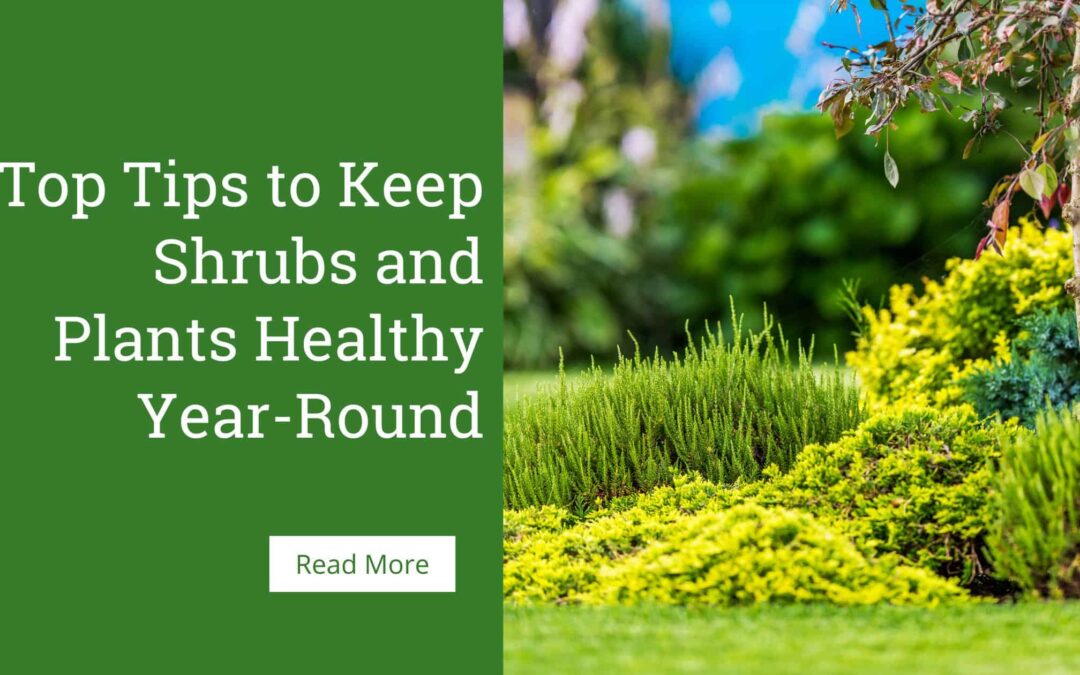
<h2 class="section-heading" style="font-size: 20px; color: #2c5f2e; margin-top: 28px; margin-bottom: 10px; font-family: Georgia, serif;">Summer Watering Strategies</h2>
<p style="margin-bottom: 16px; color: #222222; font-family: Georgia, serif; font-size: medium;">Summer watering requires more attention than any other season. Here's a practical framework:
<ul style="padding-left: 22px; margin-bottom: 16px; color: #222222; font-family: Georgia, serif; font-size: medium;">
<li style="margin-bottom: 8px;">Water early: Begin at dawn and finish by 9 AM. This minimizes evaporation and allows foliage to dry before midday heat arrives.</li>
<li style="margin-bottom: 8px;">Water deeply: Run irrigation long enough to wet the soil 6–8 inches deep. A slow, deep soak every 2–3 days is far superior to a quick daily spray.</li>
<li style="margin-bottom: 8px;">Use drip or soaker systems: Deliver water at the root zone, not overhead. This prevents foliage from staying wet, which causes fungal disease.</li>
<li style="margin-bottom: 8px;">Monitor newly planted shrubs closely: Plants established within the past year have limited root systems and are far more drought-vulnerable than older, established plants. They may need daily watering during heat waves.</li>
</ul>
<h2 class="section-heading" style="font-size: 20px; color: #2c5f2e; margin-top: 28px; margin-bottom: 10px; font-family: Georgia, serif;">Mulch: Your Most Important Summer Tool</h2>
<p style="margin-bottom: 16px; color: #222222; font-family: Georgia, serif; font-size: medium;">If you haven't already applied mulch to your planting beds before summer, do it now. A 2–3 inch layer of organic mulch (shredded bark, wood chips, or pine straw) is your most effective tool for managing summer plant stress. Mulch:
<ul style="padding-left: 22px; margin-bottom: 16px; color: #222222; font-family: Georgia, serif; font-size: medium;">
<li style="margin-bottom: 8px;">Reduces soil evaporation by 50%, cutting irrigation needs significantly</li>
<li style="margin-bottom: 8px;">Keeps root zone soil temperatures 10–15°F cooler than bare soil</li>
<li style="margin-bottom: 8px;">Suppresses weeds that compete with your shrubs for water and nutrients</li>
<li style="margin-bottom: 8px;">Prevents soil surface crusting that reduces water infiltration</li>
</ul>
<p style="margin-bottom: 16px; color: #222222; font-family: Georgia, serif; font-size: medium;">Replenish mulch that has thinned to less than 2 inches — it breaks down over time and needs topping up. Keep it 2–3 inches away from stems and trunks to prevent rot and pest harborage.
<h2 class="section-heading" style="font-size: 20px; color: #2c5f2e; margin-top: 28px; margin-bottom: 10px; font-family: Georgia, serif;">Summer Pest Management</h2>
<p style="margin-bottom: 16px; color: #222222; font-family: Georgia, serif; font-size: medium;">Warm, humid summers are prime breeding conditions for many landscape pests. Spider mites, in particular, thrive in hot, dry conditions and can devastate shrubs in a matter of weeks. You'll recognize a mite infestation by the stippled, dusty appearance of foliage and fine webbing on the undersides of leaves. A strong blast of water from the hose (in the morning) dislodges mites effectively; repeated applications of insecticidal soap or horticultural oil provide additional control.
<p style="margin-bottom: 16px; color: #222222; font-family: Georgia, serif; font-size: medium;">Aphids, scale insects, and whiteflies also increase in summer. Walk your garden weekly and inspect new growth carefully — this is where these pests congregate. Catching infestations early, when populations are small, allows for easy management. Large infestations require more aggressive intervention.
<h2 class="section-heading" style="font-size: 20px; color: #2c5f2e; margin-top: 28px; margin-bottom: 10px; font-family: Georgia, serif;">What NOT to Do in Summer</h2>
<ul style="padding-left: 22px; margin-bottom: 16px; color: #222222; font-family: Georgia, serif; font-size: medium;">
<li style="margin-bottom: 8px;">Don't fertilize heavily in midsummer: Heavy feeding in July or August pushes soft, heat-vulnerable new growth. Hold off until early fall if a second application is needed.</li>
<li style="margin-bottom: 8px;">Don't do major pruning: Large pruning cuts on heat-stressed plants are slow to heal and can become disease entry points. Save structural pruning for cooler months.</li>
<li style="margin-bottom: 8px;">Don't water in the heat of the day: Midday watering loses 30–40% to evaporation before it reaches roots.</li>
<li style="margin-bottom: 8px;">Don't neglect containerized plants: Pots can dry out completely in less than 24 hours during a heat wave. Check daily and water as needed.</li>
</ul>
<h2 class="section-heading" style="font-size: 20px; color: #2c5f2e; margin-top: 28px; margin-bottom: 10px; font-family: Georgia, serif;">Supporting Plants Through Heat Waves</h2>
<p style="margin-bottom: 16px; color: #222222; font-family: Georgia, serif; font-size: medium;">During extreme heat events (multiple consecutive days above 95°F), even well-established shrubs may show stress. Extra deep watering the day before a forecast heat wave provides a moisture reserve for roots to draw on. Avoiding any disturbance to the root zone during heat events also helps — hold off on digging, transplanting, or fertilizing until temperatures moderate. With these protective measures in place, your landscape plants can weather even the hottest summers in good health.
<p style="margin-bottom: 16px; color: #222222; font-family: Georgia, serif; font-size: medium;">
103.198.133.243
rosariosteele36
ผู้เยี่ยมชม
rosariosteele36@outlook.com